
Hail Damage
Storm Damage
Understand the Impacts
A prompt inspection following a storm event is essential in Minnesota because severe weather—such as hail, high winds, heavy rain, or freeze-thaw cycles—frequently causes hidden damage to exterior components like roofing shingles, flashing, underlayment, siding, and gutters that may not be immediately visible from the ground.
Timelines Matters
Addressing such issues quickly prevents escalation into costly problems, including interior leaks, mold growth, or structural deterioration exacerbated by subsequent winter snow loads and ice dams, while also facilitating accurate documentation for insurance claims to ensure full coverage and timely repairs.

What It Looks Like
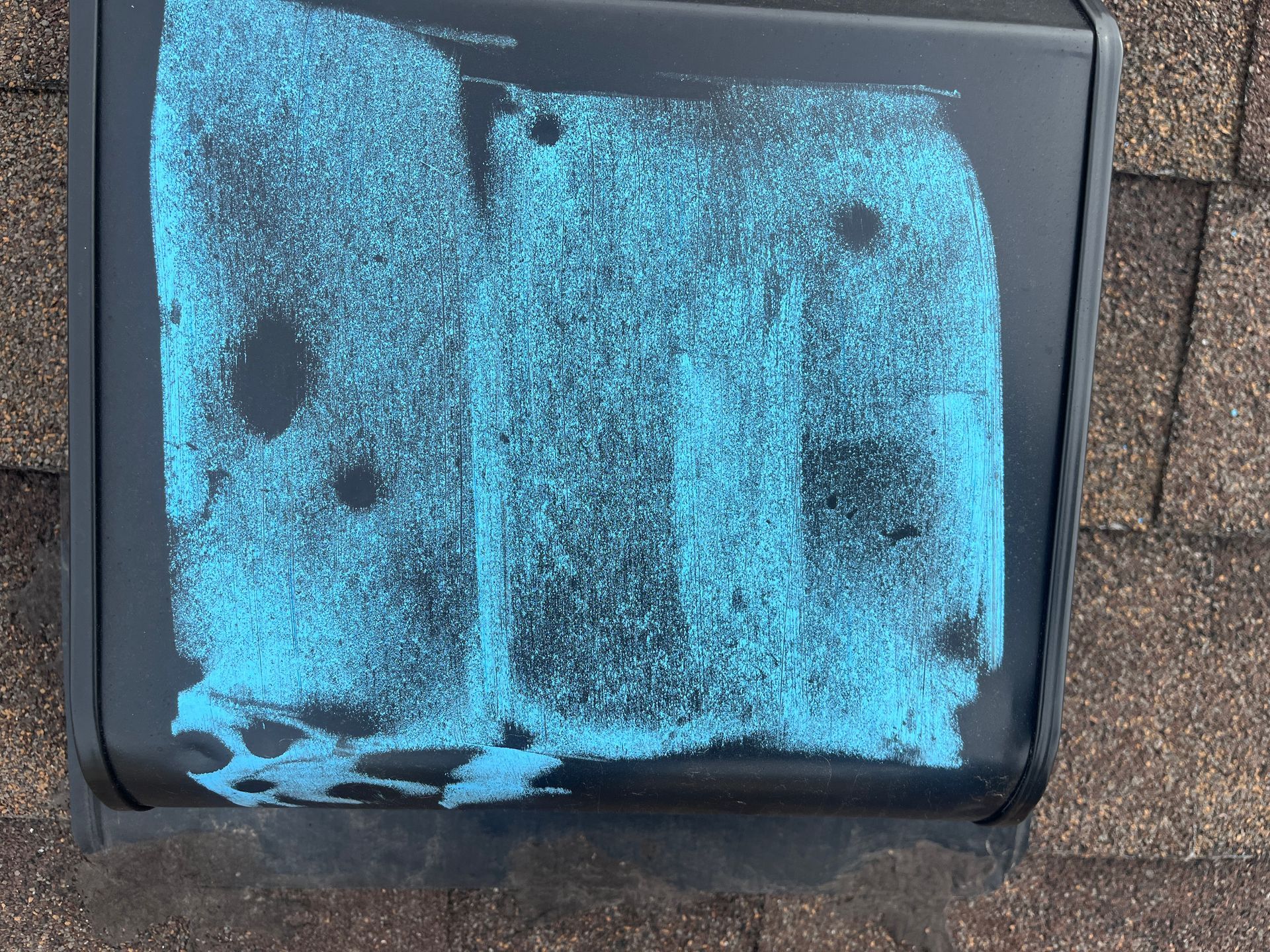
Storm damage to a home's exterior often manifests through distinct visual indicators on the roof, siding, and related components.
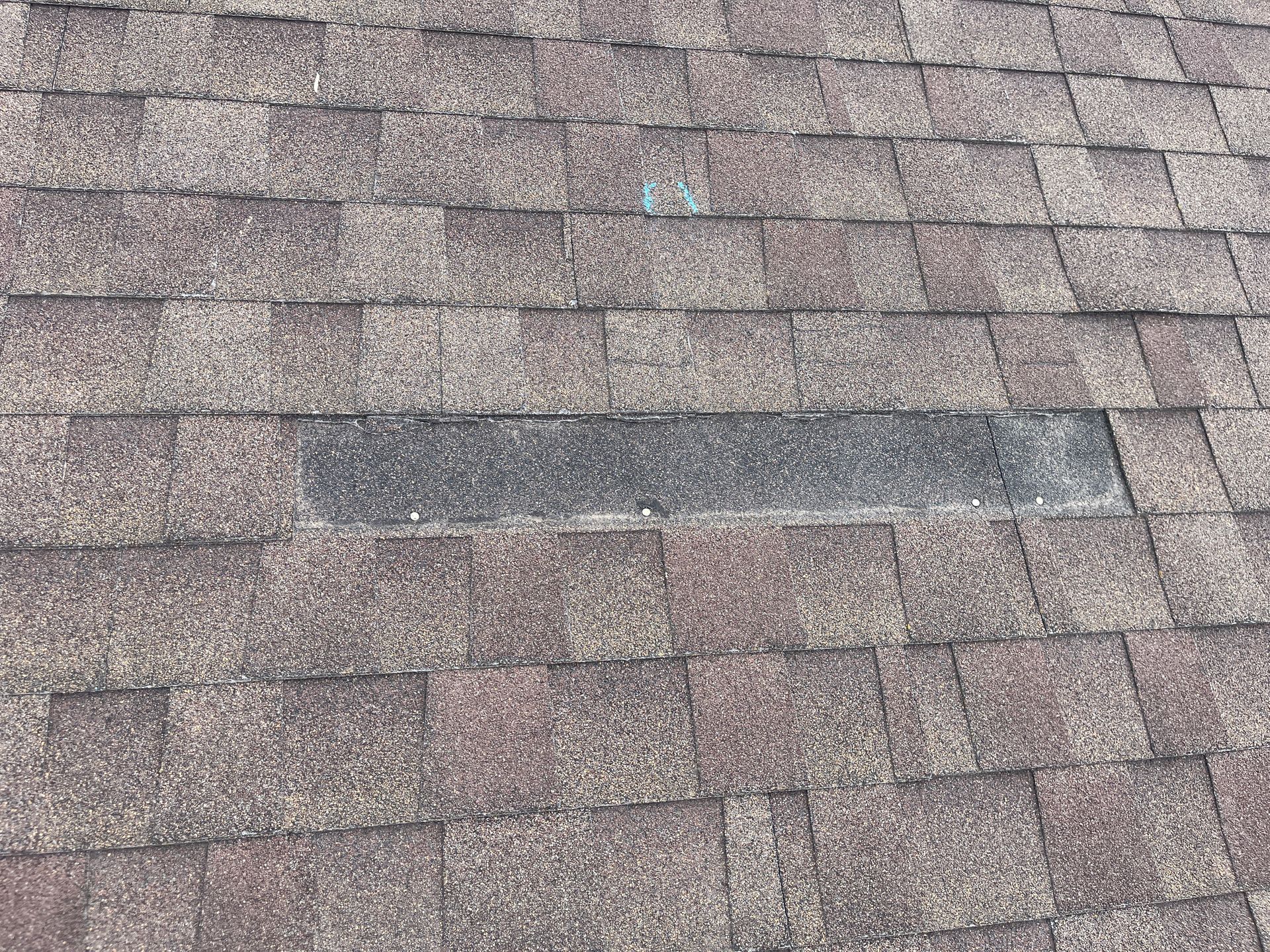
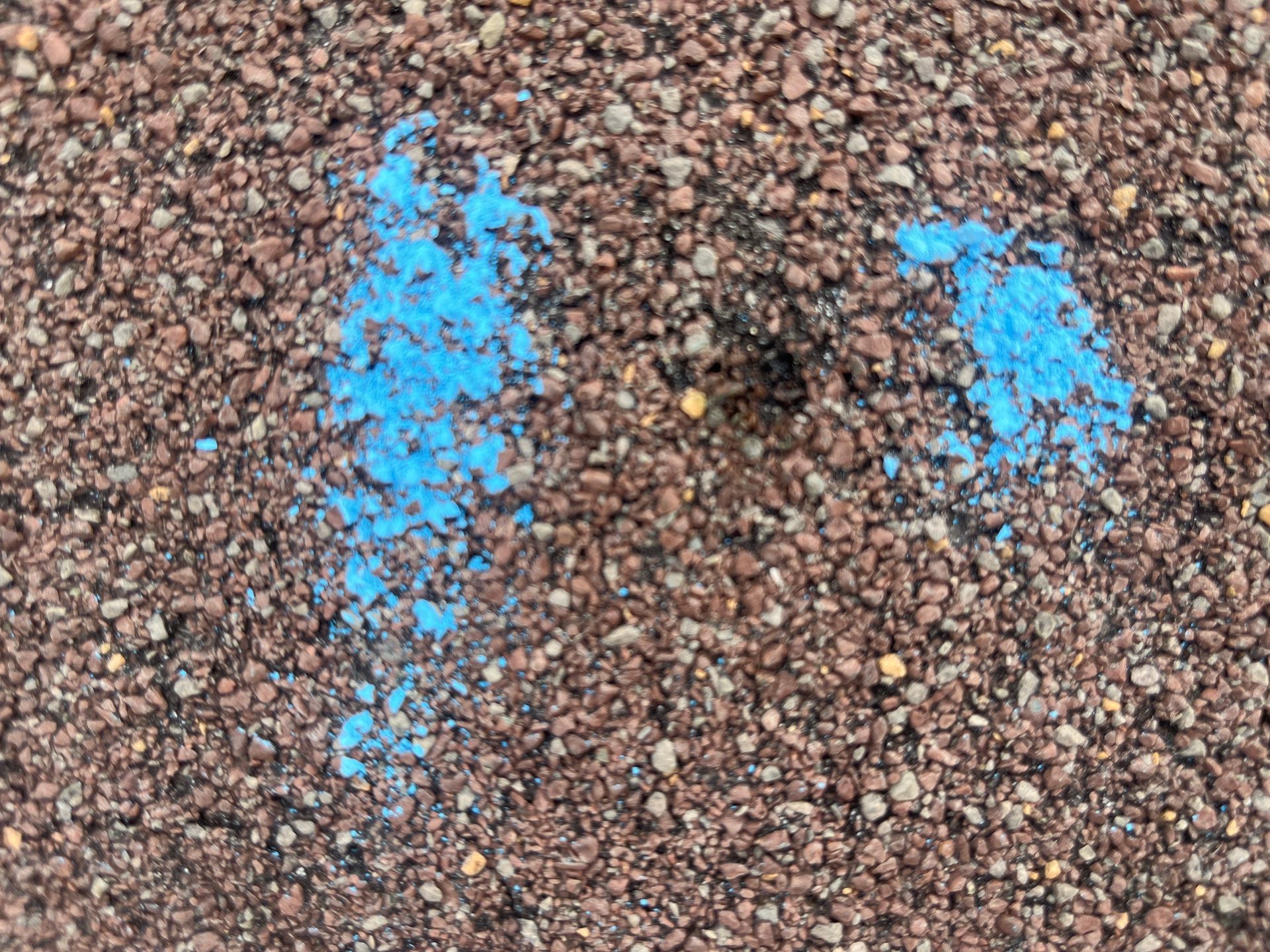
On asphalt shingle roofs, hail commonly appears as dark, circular spots or bald patches from granule loss, bruised or spongy indentations that feel soft to the touch, cracked shingles, or exposed underlying mat; wind damage typically shows as missing, curled, torn, or creased shingles with lifted edges or exposed underlayment.

Storm Inspection & Insurance Process
Inspect the Property
Walk your property. If something looks out of place, contacting somebody who sees damage daily might be helpful.
Document for Insurance
Have the property walked, pictures taken and an email sent to the appropriate accounts.
Notify Insurance Carrier
A contractor can sit and help make the call, or the property owner can give a short call.
Agree on Scope of Damage with Insurance
This is the of the most undervalued skills in restoring a property. Get someone who has experience matters.
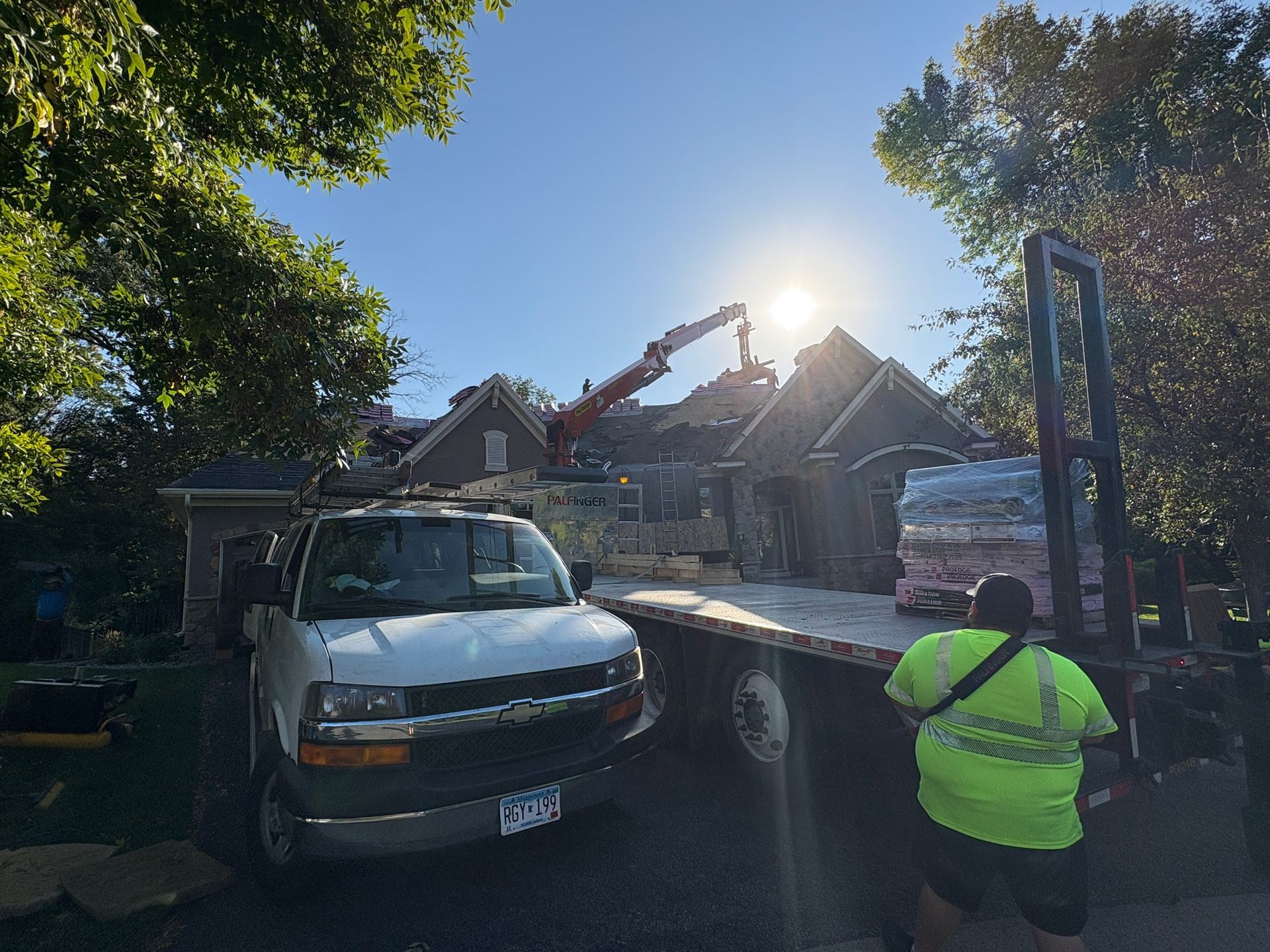
Execution / Installation
Protect the property, prior to kickoff. Work can be completed in several days, but many trades are finished in a single day.
Settle the Claim
After the work is compete, changes during construction need documented and agreed to get final payments released.